If you buy through a partner link, we may earn a commission.

Best Plyo Boxes for Home Gym in 2025

Updated on Dec 27, 2025

A good plyo box turns a small home gym corner into a serious training station, allowing you to do box jumps, step-ups, split squats, elevated push-ups, and more. The best options feel stable under fatigue, offer the right height range for progression, and match your risk tolerance (hard wood/steel vs. softer foam). Below are the top picks that balance stability, durability, and day-to-day practicality for home use.

Best Overall
1
BalanceFrom 3-in-1 Foam Plyometric Jump Box
9.5
ProductLust
Score

BalanceFrom 3-in-1 Foam Plyometric Jump Box

  • The default home-gym foam box: practical, versatile height options, and easy to live with.
  • Soft landings, easy on the joints when jumping.
  • Popular for solid performance without premium pricing.
Check Price
From Amazon
2
Titan Fitness Soft Foam Plyometric Jump Box
9.3
ProductLust
Score

Titan Fitness Soft Foam Plyometric Jump Box

  • Foam + grippy cover makes jumps safe and less punishing without feeling unstable.
  • 3-in-1 height design is genuinely useful for progression instead of buying multiple boxes.
  • Built for repeat abuse, this is the one you’ll still be using years from now.
Check Price
From Amazon
3
Rage Fitness Steel Plyo Box (12/18/24 options)
9.0
ProductLust
Score

Rage Fitness Steel Plyo Box (12/18/24 options)

  • Steel that feels solid and stable.
  • Better for step-ups, dips, and loaded work where you want zero give.
  • Anti-slip top matters more on steel; this style is built for confident footing.
Check Price
From Amazon
4
Stamina X Adjustable Height Plyo Step-Up Box
8.7
ProductLust
Score

Stamina X Adjustable Height Plyo Step-Up Box

  • 4 adjustable height options beats owning multiple boxes.
  • Strong option for mixed training (step-ups + jumps) when space is tight.
  • Durable steel construction with non-slip jumping surface.
Check Price
From Amazon
Best Value
5
Yes4All 3-in-1 Wooden Plyo Box
8.4
ProductLust
Score

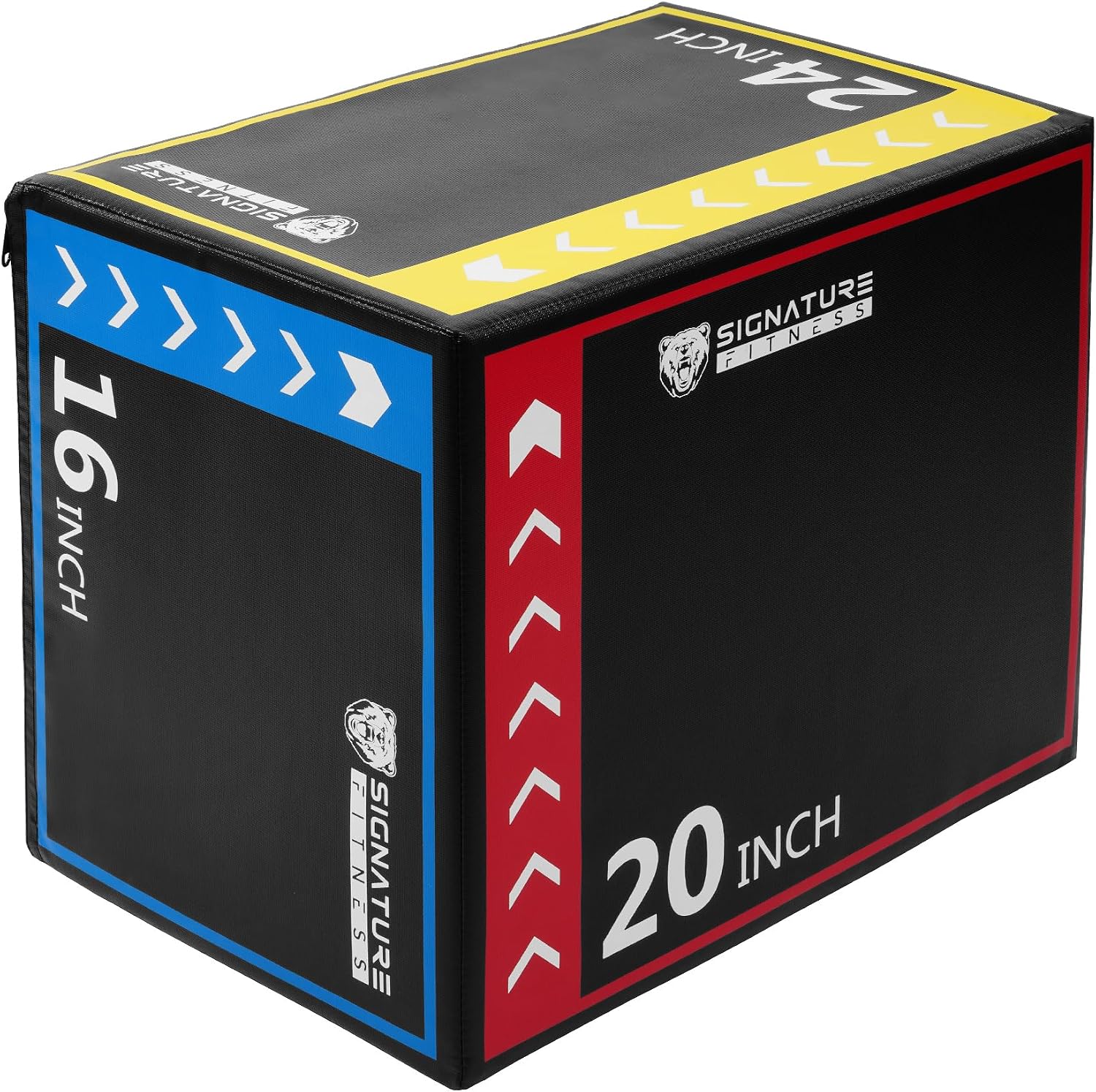
Yes4All 3-in-1 Wooden Plyo Box

  • Made off wood that feels stable for serious home training.
  • The classic 3-in-1 format is simple and effective: flip it to change the difficulty level.
  • If you want sturdy without paying too much, this is the move.
Check Price
From Amazon
6
Fitvids 3-in-1 Foam Plyometric Jump Box
8.1
ProductLust
Score

Fitvids 3-in-1 Foam Plyometric Jump Box

  • A solid foam option that won't break the bank.
  • Better for higher-rep conditioning sessions where fatigue makes misses more likely.
  • Easy to integrate into circuits (step-ups, box squats, incline push-ups) with minimal fuss.
Check Price
From Amazon
7
CAELUM 3-in-1 Wood Plyo Box
7.9
ProductLust
Score

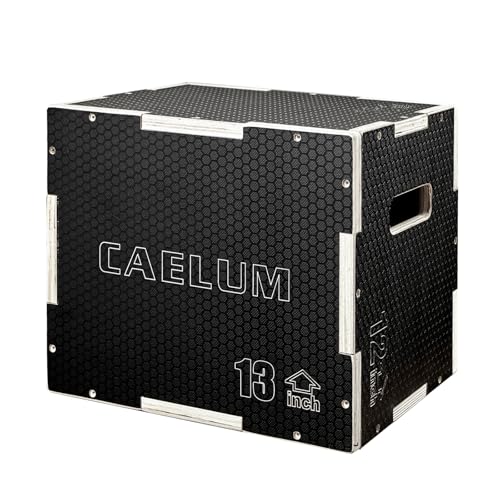
CAELUM 3-in-1 Wood Plyo Box

  • Stable platform, simple design, gets the job done.
  • Wood is great for controlled step-ups and strength-focused work.
  • A solid pick if you want the classic plyo-box experience and don’t want foam.
Check Price
From Amazon
8
VEVOR 3-in-1 Plyometric Jump Box
7.8
ProductLust
Score

VEVOR 3-in-1 Plyometric Jump Box

  • Practical starter option if you want to test plyo work at home without spending much.
  • Straightforward 3-in-1 height concept.
  • Best suited to general conditioning and step-ups.
Check Price
From Amazon

Explore other best lists

References

  1. 7 Best Plyo Boxes for Jumps and Step-Ups, According to Certified TrainersMen's Health
  2. The Best Plyo Boxes for Jumping to New Heights, Tested by ExpertsVerywell Fit
  3. The Best Plyo Boxes for Home GymsGarage Gym Reviews

About this list

Last Updated
Dec 27, 2025
Number of items
8

How we came up with this list

ProductLust's reviewed multiple sources, including Men's Health, Verywell Fit and Garage Gym Reviews. These sources provide comprehensive reviews and ratings based on safety, build quality and size. We identified models like the BalanceFrom 3-in-1 Foam Plyometric Jump Box, Titan Fitness Soft Foam Plyometric Jump Box and Rage Fitness Steel Plyo Box (12/18/24 options) as the best options in this price range.

Frequently asked questions

A plyo box, short for plyometric box, is a sturdy platform used for plyometric training like box jumps, step-ups, lateral jumps, and explosive push-ups. In a home gym, it also works as a simple platform for strength accessories and conditioning.

The best plyo box size depends on your ability level, ceiling height, and how you plan to use it. Many home gym setups do well with a box that supports common heights such as 12 inches, 16 inches, 18 inches, 20 inches, or 24 inches, with lower heights being more beginner-friendly for plyometric work.

A 3-in-1 plyo box is usually the most practical choice for a home gym because it offers multiple heights in one piece of equipment. A single-height plyometric box makes sense if you already know exactly what height you want or you plan to run fast circuits where you do not want to stop and flip the box.

A foam plyo box is often better for plyometric jumping because it is more forgiving on missed reps and tends to be quieter. A wood plyometric box usually feels more rigid underfoot for step-ups, split squats, and strength-focused work, and it is often more cost-effective for the size.

A well-made soft plyo box is stable enough for most home gym plyometric sessions, especially when it uses high-density foam and a grippy cover. If you regularly do heavy step-ups or loaded work, wood or steel can feel more solid.

For most people training at home, a plyometric box height in the 16 to 20 inch range is a strong baseline. Higher jumps are not automatically better, because consistent landings and repeatable reps matter more than chasing maximum height.

Look for a plyo box with a textured top, a high-friction base, and enough weight to resist shifting. If your floor is slick, a rubber gym mat under the plyometric box can improve stability immediately.

A foam plyo box or a lower-height plyometric box is usually the safest choice for beginners. It reduces the downside of mistakes while you build coordination, landing control, and confidence.

Metal plyo boxes can be excellent for home gyms because they are durable and stable, but they are less forgiving on missed plyometric reps and can be louder. They are a strong fit if you prioritize longevity and use the box for step-ups, dips, and controlled movements.

A plyo box can replace a bench for some movements like step-ups, Bulgarian split squats, incline push-ups, and some seated dumbbell work. It will not match the comfort or adjustability of a true bench, but it can be a practical substitute in a minimalist home gym.

A plyo box supports plyometric and strength movements such as box jumps, step-ups, lateral jumps, Bulgarian split squats, elevated lunges, dips, incline or decline push-ups, box squats, and conditioning circuits.

Capacity varies by design and material. Wood and steel plyometric boxes often handle high static loads, while foam plyo boxes vary more by brand and build. If you plan heavy loaded movements, check the manufacturer’s stated capacity.

Most home gyms only need one good plyo box, especially if it is adjustable or 3-in-1. Multiple plyometric boxes make sense if you train with a partner, run circuits, or want multiple heights available without flipping.

For step-ups, a plyo box in the 12 to 20 inch range works well for many home gym users. Lower heights tend to support better control and heavier loading, while higher heights raise difficulty but can compromise form if you progress too quickly.

A foam plyo box helps reduce noise, and controlled landings matter as much as equipment choice. A rubber mat under the plyometric box can further reduce vibration and protect floors.

If you land hard, lose balance, feel joint discomfort, or cannot repeat reps with consistent mechanics, the plyo box is likely too high. A better plyometric box height allows quiet, controlled landings and stable knee tracking.

You can do plyometric workouts without a plyo box using broad jumps, jump lunges, and skater hops. A plyometric box adds structure, variety, and easier progression, which can be especially helpful in a home gym.

Steel tends to tolerate outdoor use best, while wood can degrade with repeated moisture and foam can wear faster outside. If you use a plyometric box outdoors often, choose durable materials and store it indoors when possible.

Plyo is shorthand for plyometric. A plyo box and a plyometric box refer to the same type of platform used for explosive, power-focused training.