If you buy through a partner link, we may earn a commission.

Best Walking Pads for Plus Size in 2026

Updated on Jan 27, 2026

If you are shopping for the best walking pad for plus size users, prioritize real structural capacity first (300 to 450 lb load rating), then stability (wider deck, higher-mass chassis), and finally drive system quality (continuous-duty motor, cooling, and belt tracking). The picks below focus on higher weight limits, plus-size-friendly deck geometry, and the features that actually affect comfort and durability during daily under-desk walking.

Best Overall
1
MERACH W50 Walking Pad with 12% Auto Incline
9.5
ProductLust
Score

MERACH W50 Walking Pad with 12% Auto Incline

  • 400 lb rated frame with a wider belt feels noticeably more planted for heavier strides.
  • 12% auto incline boosts calorie burn without forcing higher speed or impact.
  • Cushioned deck and quiet drivetrain make it office-friendly without “treadmill thump".
Check Price
From Amazon
2
TRAILVIBER Walking Pad with Auto Incline
9.1
ProductLust
Score

TRAILVIBER Walking Pad with Auto Incline

  • 450 lb capacity is the top-end spec here, built for stability over minimalist portability.
  • 17 inch deck width reduces edge-stepping anxiety when you are multitasking.
  • Incline + hiking-style pacing is ideal for low-impact conditioning with higher energy cost.
Check Price
From Amazon
3
UREVO Foldimix 5L, 9% auto incline
9.0
ProductLust
Score

UREVO Foldimix 5L, 9% auto incline

  • 400 lb capacity with dual-brushless positioning is built for repeat use, not occasional steps.
  • 9% incline is enough to raise training stimulus while staying in a walking-first zone.
  • More “complete treadmill” ergonomics than ultra-thin pads, which helps confidence for larger bodies.
Check Price
From Amazon
4
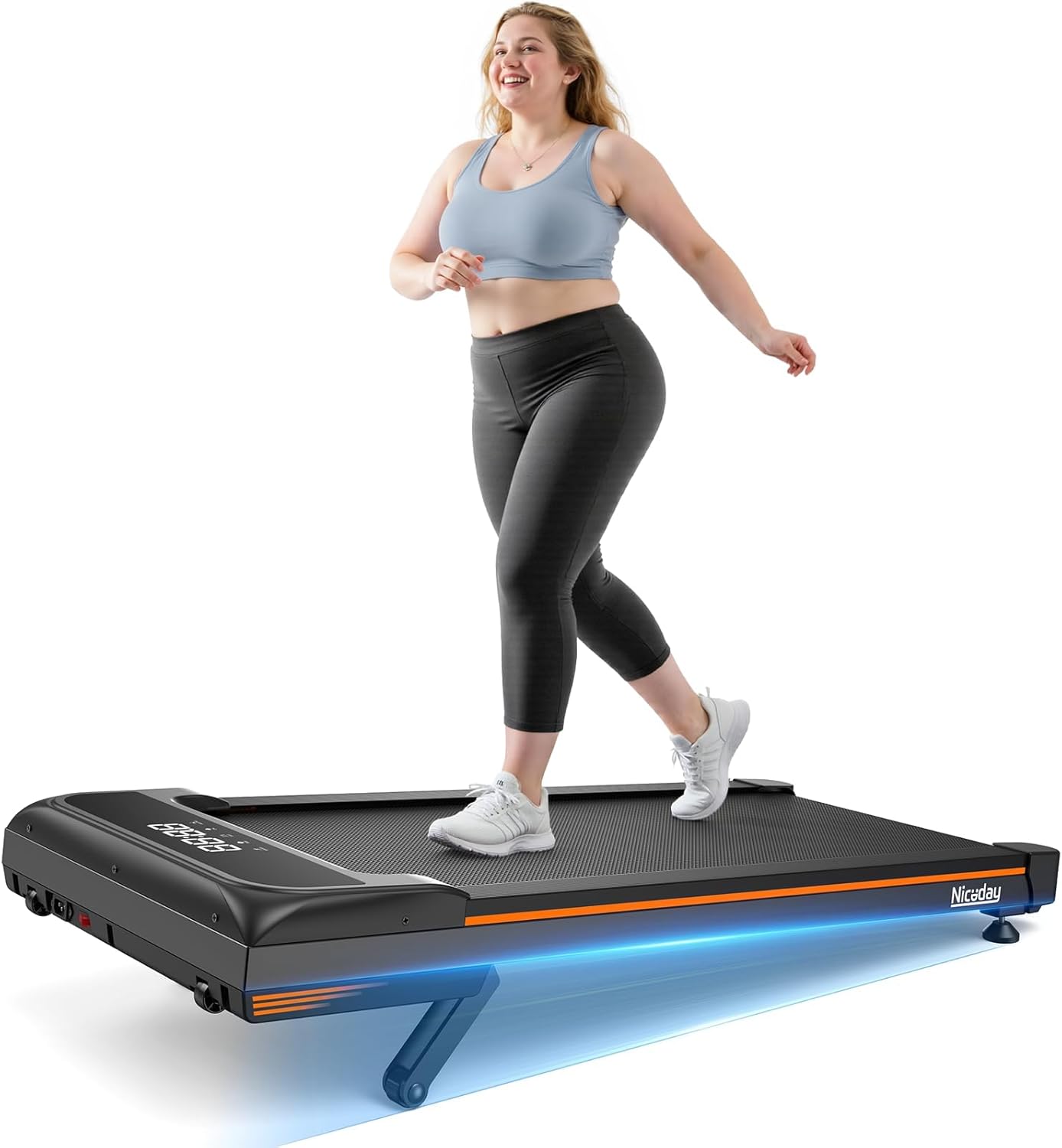
Niceday Walking Pad with Auto Incline
8.7
ProductLust
Score

Niceday Walking Pad with Auto Incline

  • 400 lb capacity targets plus size use cases instead of treating them as an afterthought.
  • Auto-incline adds training stimulus while keeping joint stress lower than jogging.
  • Designed to feel rigid underfoot, which is what most walking pads get wrong.
Check Price
From Amazon
5
Sperax Walking Vibration Pad
8.6
ProductLust
Score

Sperax Walking Vibration Pad

  • 350 lb capacity with a dual-mode concept that’s genuinely different from basic pads.
  • Vibration mode can add circulation and “recovery day” movement when steps feel hard.
  • Easy to move and stash, so you actually use it instead of parking it permanently.
Check Price
From Amazon
Most Popular
6
DeerRun Walking Pad with Incline
8.3
ProductLust
Score

DeerRun Walking Pad with Incline

  • 300 lb rating and compact footprint make it a practical first walking pad for plus size.
  • Simple controls and app support reduce friction for daily step consistency.
  • Cushioned feel is a big win for knees, ankles, and long under-desk sessions.
Check Price
From Amazon

Explore other best lists

References

  1. The 8 Best Walking Pads for Staying Active During the WorkdayRunner's World
  2. The 15 Best Walking Pads to Help You Hit 10K Steps on a WorkdayVerywell Fit
  3. We Tested the 9 Best Walking Pads for Workouts and Work From Home StepsShape

About this list

Last Updated
Jan 27, 2026
Number of items
6

How we came up with this list

ProductLust's reviewed multiple sources, including Runner's World, Verywell Fit and Shape. These sources provide comprehensive reviews and ratings based on motor power, noise level and build quality. We identified models like the MERACH W50 Walking Pad with 12% Auto Incline, TRAILVIBER Walking Pad with Auto Incline and UREVO Foldimix 5L, 9% auto incline as the best options in this price range.

Frequently asked questions

For plus size buyers, 350 lb is the minimum spec floor. If you are close to that number, prefer a 400 to 450 lb rated walking pad so the frame, deck, rollers, and motor are not operating near their limit during normal use. Many under-desk treadmills still top out around 300 lb, so the higher-capacity tier is worth prioritizing for durability.

A true 350 lb+ walking pad usually has heavier structural members, larger rollers, a stiffer deck, and better belt tracking tolerance. The difference you feel is less deck flex, less side-to-side sway, and fewer belt drift issues when your stride loads the belt harder.

Look for a wider walking surface (commonly 16.5 inches or more) if you want more lateral comfort and less edge anxiety. Wider decks help when your gait naturally runs wider or you are multitasking at a desk and not watching your foot placement.

Belt length is about stride length and foot clearance. If you are taller, take longer steps, or like brisk pacing, a longer deck reduces the need to shorten your stride. Short belts can force a “shuffly” gait that feels unstable over long sessions.

Prioritize continuous-duty walking performance over headline horsepower. In practice, you want a motor that maintains speed without surging, stays cooler during 30 to 90 minute sessions, and does not bog down when you add incline. Incline requires more torque than flat walking at the same speed.

Often, yes. Brushless designs can be quieter and more efficient, and they tend to handle sustained use better. That said, the overall drivetrain quality matters more than the label. A well-built brushed system can still outperform a cheap brushless setup.

Incline is a strong advantage if you want higher calorie burn at lower speeds. It increases workload without forcing a faster cadence, which can feel safer for balance and joint comfort. The tradeoff is more load on the drivetrain and higher noise potential, so higher capacity and sturdier build become even more important.

Very. A cushioned deck can reduce perceived impact on knees, hips, and ankles, especially during longer under-desk sessions. It also reduces vibration transfer into the floor, which matters in apartments or upstairs rooms.

Belt tracking is how well the belt stays centered on the rollers. Heavier strides amplify minor alignment issues, so good tracking reduces belt drift, edge fraying, and the need for constant re-centering. You want easy access to adjustment bolts and clear instructions for micro-adjustments.

Follow the manufacturer interval, but assume plus size, higher-mileage use requires more frequent lubrication than casual use. A dry deck increases friction, raises motor load, and accelerates belt wear. If your unit includes a lubricant bottle and maintenance schedule, treat that as mandatory, not optional.

Noise is a mix of motor sound plus footfall vibration. Heavier users should focus on stability (less frame rattle), cushioning (less impact noise), and a smoother drivetrain. Many review outlets highlight noise as a key differentiator because a surprising number of walking pads are louder or more vibration-prone than expected.

If you have any balance concerns, a handlebar model can meaningfully improve confidence and safety, especially when starting, changing speeds, or using incline. If you use an under-desk setup, a stable desk can help, but it is not a substitute for a proper handhold during stumbles.

Most people get the best consistency at 1.5 to 2.8 mph while working, then push faster for dedicated sessions. For plus size use, comfort and form matter more than chasing top speed. If you want true fast walking, verify the deck length and stability first.

Prioritize a reliable remote, clear start/stop behavior, speed ramping that is not abrupt, and overload protection. Consumer-oriented testing sources warn that some under-desk treadmills are poorly constructed and can have safety issues, so a sturdier category and reputable testing coverage help reduce risk.

Use a treadmill mat rated for heavy equipment, ensure the walking pad sits fully flat (no rocking), and avoid thick carpet that can trap heat and destabilize the base. If the pad has wheels, lock it in place so it does not creep during use.

Often, yes. Heavier-duty under-desk treadmills tend to offer higher weight capacities and longer frame life than ultra-light pads. The tradeoff is cost and portability, but the durability and stability are typically better in the high-capacity class.