If you buy through a partner link, we may earn a commission.

Best Smokeless Wood Burning Fire Pits in 2026

Updated on Feb 3, 2026

Smokeless wood-burning fire pits are designed to reduce eye-stinging smoke by reburning it through high-airflow, double-wall “secondary combustion” (or similar airflow channels). The best smokeless fire pits create a hotter, cleaner backyard bonfire with less lingering odor, while still using real firewood (or wood pellets) for that classic campfire feel. Below are the top smokeless fire pits you can buy right now, picked for low-smoke performance, heat output, build quality, and day-to-day usability.

Best Overall
1
Breeo X Series 24 (Smokeless Fire Pit)
9.8
ProductLust
Score

Breeo X Series 24 (Smokeless Fire Pit)

  • Built like a lifetime fire pit; heavy-duty construction that's made in the USA.
  • Strong smokeless performance even with larger fires, plus excellent live-fire cooking add-ons.
  • Premium price, but it feels like an outdoor centerpiece, not a seasonal gadget.
Check Price
From Amazon
Most Popular
2
Solo Stove Bonfire 2.0
9.6
ProductLust
Score

Solo Stove Bonfire 2.0

  • The most balanced “low-smoke backyard fire pit” size: big ambiance without being a space hog.
  • Efficient secondary burn makes it noticeably cleaner than a traditional open bowl pit.
  • Easy to live with: strong accessory ecosystem and straightforward cleanup versus many budget pits.
Check Price
From Amazon
Best Value
3
TIKI Patio Fire Pit Bundle (25-inch)
9.2
ProductLust
Score

TIKI Patio Fire Pit Bundle (25-inch)

  • Delivers an impressive “smokeless” experience for the money, great heat and a crowd-friendly ring.
  • Practical design touches (like an ash solution and included cover) make it less fussy long-term.
  • Excellent choice if you want a cleaner burn without paying the top-tier premium.
Check Price
From Amazon
4
Solo Stove Yukon 2.0
9.1
ProductLust
Score

Solo Stove Yukon 2.0

  • Big-yard, big-group heat output: this is the “everyone can feel it” smokeless fire pit.
  • Great for larger logs and longer burns when you want a true backyard bonfire vibe.
  • Takes more wood to run well, but the payoff is real warmth and presence.
Check Price
From Amazon
5
Breeo X Series 19
8.9
ProductLust
Score

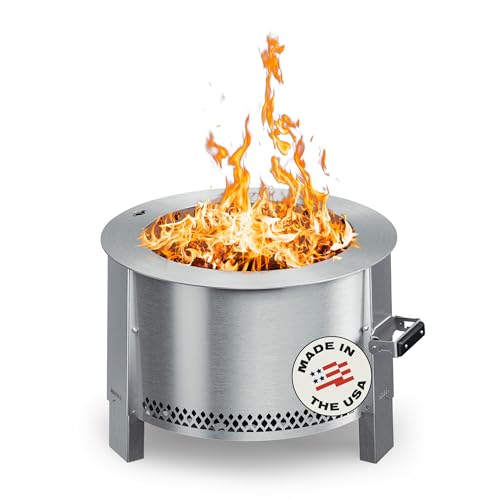
Breeo X Series 19

  • A more compact Breeo that still delivers the brand’s signature durability and clean burn.
  • Easier fit for smaller patios while keeping a “serious fire pit” feel and cook-ready options.
  • Strong choice when you want premium performance without the footprint of a 24-inch pit.
Check Price
From Amazon
6
Breeo Y Series (Stainless)
8.8
ProductLust
Score

Breeo Y Series (Stainless)

  • A smarter pick when portability matters: easier to move for camping, tailgates, or rearranging the patio.
  • Still supports a clean, efficient burn with Breeo’s live-fire cooking compatibility.
  • Less “permanent patio centerpiece” than X Series, but more flexible for multi-use households.
Check Price
From Amazon
7
Cuisinart 24" Cleanburn Smokeless Fire Pit
8.6
ProductLust
Score

Cuisinart 24" Cleanburn Smokeless Fire Pit

  • Strong budget-friendly route to double-wall smokeless performance with real firewood.
  • Good heat for the size, with an airflow design that lights faster than many basic pits.
  • More “value workhorse” than showpiece, but it does the core job well.
Check Price
From Amazon
8
Solo Stove Ranger 2.0
8.3
ProductLust
Score

Solo Stove Ranger 2.0

  • Best “portable smokeless campfire pit” option here: compact, easy to transport, quick to get going.
  • Ideal for 2–4 people or smaller outdoor spaces where a full-size pit is overkill.
  • Smaller fire capacity means less radiant heat, but it nails the lightweight brief.
Check Price
From Amazon

Explore other best lists

References

  1. The Best Fire PitsGearLab
  2. The 7 Best Smokeless Fire Pits We Tested (And Yes, They’re Really Smokeless)Popular Mechanics
  3. The Best Smokeless Fire Pits for a Clean and Cozy Outdoor ExperienceGood Housekeeping

About this list

Last Updated
Feb 3, 2026
Number of items
8

How we came up with this list

ProductLust's reviewed multiple sources, including GearLab, Popular Mechanics and Good Housekeeping. These sources provide comprehensive reviews and ratings based on build quality, size and effectiveness. We identified models like the Breeo X Series 24 (Smokeless Fire Pit), Solo Stove Bonfire 2.0 and TIKI Patio Fire Pit Bundle (25-inch) as the best options in this price range.

Frequently asked questions

A smokeless wood burning fire pit is a “low-smoke fire pit” designed to burn wood hotter and cleaner than a traditional open bowl. Most use a double-wall design and secondary combustion (reburning smoke) to reduce visible smoke and improve efficiency.

Yes, when used correctly. A smokeless fire pit can dramatically reduce smoke once it’s hot and running in secondary burn mode. You’ll still get some smoke during startup, when wood is damp, or when the fire is starved of airflow.

Most models pull in cool air through lower vents, heat it between double walls, then inject that hot air near the rim. That extra oxygen ignites smoke particles (secondary combustion), creating a cleaner burn and more flame with less smoke.

No. “Smokeless” generally means less smoke, not zero. Expect the cleanest burn after the fire pit is fully preheated, using dry hardwood, and with enough flame intensity to sustain secondary combustion.

Wet wood, low fire temperature, too much wood at once, restricted airflow, windy conditions, and smoldering coals all increase smoke. If the flames look weak and lazy, you’ll usually see more smoke.

Dry hardwoods like oak, maple, hickory, ash, or birch typically burn hotter and cleaner. Avoid freshly cut (“green”) wood and damp bundles. Seasoned wood with low moisture content is the single biggest upgrade for low-smoke performance.

You can, but it usually smokes more, pops more, and creates more resinous buildup. If you do use pine, keep it very dry and mix it with hardwood for better heat and cleaner burning.

Yes—these are popular backyard fire pits because they’re less smoky and less likely to stink up clothes. For smaller spaces, choose a mid-size unit and place it where airflow is good and smoke won’t blow directly toward seating.

As a rule of thumb: Small/portable (camping, 2–4 people): 15–18 inches. Best all-around backyard size (4–6 people): 19–22 inches. Large bonfire size (6–10 people): 24–27+ inches. Bigger pits feel more “event-like,” but they burn more wood to run clean and hot.

Portable models win on storage, travel, and quick setup. Full-size patio models win on heat output, larger logs, longer burns, and a stronger “backyard centerpiece” feel.

Many feel hotter because they burn more efficiently and produce more flame. That said, some double-wall designs push heat upward; adding a heat deflector (if available) can improve radiant heat toward people.

Secondary combustion is the reburn stage where hot, oxygen-rich air ignites smoke and unburned gases near the top of the fire pit. It’s what creates that signature “ring of jets” look on many smokeless fire pits.

Yes. They produce strong, consistent flames once hot, which is great for roasting. For best results, let the fire establish, then roast over steady flames or hot coals depending on your preference.

Many support grill grates, planchas, skewers, or live-fire cooking accessories. If cooking matters, choose a model with sturdy accessory support and enough surface area for a real grill grate.

Some fire pits support pellets with a pellet adapter or specific insert. Pellets can burn very cleanly and consistently, but they change the fire behavior (faster burn) and may require extra attention to fuel loading.

Very dry firewood burns great and is easier to manage in long sessions. Pellets can burn cleaner and hotter in short bursts (with the right adapter), but they often burn faster and require a different fueling rhythm.

Start with dry kindling and smaller splits, build a hot core, and avoid smothering the fire early. Once flames are strong and the fire pit is heated, add larger logs gradually so airflow stays open and secondary burn can kick in.

Most often: the wood is too wet or the fire isn’t hot enough yet. Use smaller splits to build heat faster, keep vents clear, avoid overloading, and give it time to preheat into secondary combustion.

Not always, but it can be smart in windy areas or around dry landscaping. Some smokeless designs already manage airflow well, but embers are still embers—if safety is a priority, use a compatible spark screen or keep seating distance conservative.

Many brands recommend using a stand and a heat-resistant barrier, and avoiding direct contact with wood surfaces. Deck use depends on the specific fire pit’s heat transfer, base design, and manufacturer guidance—when in doubt, use a protective mat and plenty of clearance.

It can scorch grass and damage roots from heat. A stand plus a heat shield or paver base is the safer approach if you want to use it on lawn.

A common safety guideline is at least 10–20 feet from structures and anything flammable, but local codes and manufacturer instructions matter most. Also consider wind direction—smoke reduction doesn’t eliminate heat and embers.

The cleanest method is to stop adding fuel and let it burn down to ash. If you need to extinguish sooner, carefully douse with water in stages and stir (expect steam and ash slurry), then ensure it’s fully cold before disposal.

Let everything cool completely, then remove ash and check vents for blockage. Regular ash cleanup helps airflow, which helps smokeless performance. Avoid harsh chemicals; a soft brush and mild cleaning is usually enough.

Yes. Too much ash can choke airflow and prevent the fire from getting hot enough for secondary combustion. Keeping the ash pan (or base) clear is a big part of maintaining “low smoke” burning.

Stainless steel tends to resist rust and look clean longer with less maintenance. Corten (weathering steel) develops a patina that can be attractive and durable, but it’s typically heavier and can require different care expectations.

Some can, especially if exposed to rain, stored wet, or left with damp ash inside. Using a cover, storing properly, and keeping ash cleaned out helps prevent corrosion and extends lifespan.

If you use your fire pit often, want less smoke in your face, and care about a cleaner backyard experience, they’re usually worth it. The biggest “value” gain is comfort: fewer smoky eyes, less odor on clothes, and a more efficient burn.

Prioritize: strong secondary combustion design, durable materials, stable base/stand, easy ash removal, accessory support (if you cook), realistic size for your space, and a cover or storage plan to protect your investment.

Look for a compact or mid-size low-smoke fire pit with a stand, easy cleanup, and manageable wood needs. Smaller models are easier to run hot quickly, which helps reduce smoke sooner.

A larger diameter pit (24–27 inches or more) creates a bigger flame presence and more warmth for groups. Just plan to feed it more wood to maintain the hot, clean burn that keeps smoke down.

They typically help once the fire is running hot and clean. Startup smoke and smoldering phases still create odor, so the biggest difference comes from maintaining a hot burn with dry wood and good airflow.

Often yes, but a cover is strongly recommended. Water plus ash creates a corrosive mix, so keeping it covered and cleaning it out before long storage will make it last longer.

Premium brands usually win on materials, fit/finish, warranty, and accessory ecosystems. Budget smokeless fire pits can still perform well on smoke reduction, but may compromise on long-term durability, stability, or cleanup convenience.