If you buy through a partner link, we may earn a commission.

Best Play Kitchens for Toddlers in 2025

Updated on Dec 27, 2025

A good play kitchen for toddlers should feel sturdy, stay stable during play and include just enough interactive features (clicking knobs, doors that open, an ice dispenser, lights/sounds) to keep pretend play going without becoming a noisy gimmick. The picks below are widely recommended and cover a mix of classic wooden kitchens and durable plastic options that suit younger kids.

Best Overall
1
KidKraft Vintage Wooden Play Kitchen
9.4
ProductLust
Score

KidKraft Vintage Wooden Play Kitchen

  • The “classic” full-kitchen layout done right: realistic doors, knobs, and play flow that doesn’t feel cramped.
  • Wood build gives it a sturdier, more furniture-like presence than lightweight plastic sets.
  • Storage is actually usable, so accessories don’t immediately become floor clutter.
Check Price
From Amazon
2
Melissa & Doug Wooden Chef’s Pretend Play Kitchen
9.2
ProductLust
Score

Melissa & Doug Wooden Chef’s Pretend Play Kitchen

  • Best-in-class interactive details (ice dispenser, turning dials, spinning microwave plate) that kids repeat for months.
  • Clean, modern look that blends into a playroom instead of dominating it.
  • Thoughtful storage and layout make it easier for two kids to play without bumping elbows.
Check Price
From Amazon
3
Step2 Fun with Friends Kids Kitchen Playset
9.0
ProductLust
Score

Step2 Fun with Friends Kids Kitchen Playset

  • Durable “toddler-proof” plastic that takes daily abuse and wipes clean fast.
  • The open design makes it more social, kids can move around it, not just stand in front of it.
  • Strong accessory value: you get a lot of play pieces without needing immediate add-ons.
Check Price
From Amazon
Most Popular
4
Step2 Best Chefs Kids Kitchen Playset
8.9
ProductLust
Score

Step2 Best Chefs Kids Kitchen Playset

  • A proven crowd-pleaser: simple layout, strong pretend-play pacing, and a size that works well for toddlers.
  • The lights/sounds add excitement without requiring complicated setup or “features you’ll never use.
  • ” Great choice when you want durable and fun, not fussy or precious.
Check Price
From Amazon
5
Hape Gourmet Kitchen (Wooden)
8.7
ProductLust
Score

Hape Gourmet Kitchen (Wooden)

  • High-quality wooden feel with a more “real kitchen” aesthetic than many brightly themed sets.
  • Smart, uncluttered design: kids can improvise instead of being led by gimmicks.
  • A strong option for families who want wood construction but a cleaner, simpler footprint.
Check Price
From Amazon
Best Value
6
ROBUD Wooden Play Kitchen Set
8.6
ProductLust
Score

ROBUD Wooden Play Kitchen Set

  • One of the better value wooden kitchens: looks polished without jumping to premium pricing.
  • Sturdy enough for everyday play while still feeling “nice” in a room.
  • A practical pick when you want wood + storage + realism, but don’t want to overspend.
Check Price
From Amazon
7
Teamson Kids Little Chef Florence Classic Play Kitchen
8.4
ProductLust
Score

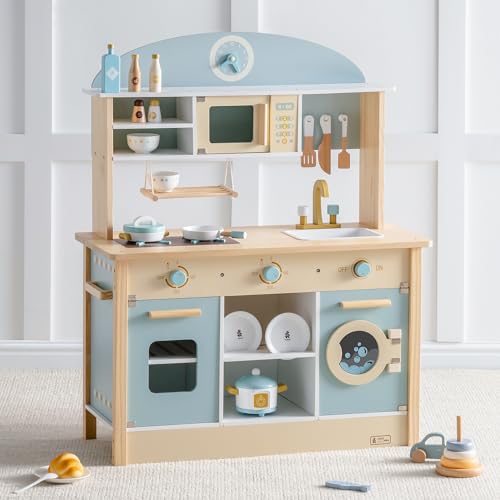
Teamson Kids Little Chef Florence Classic Play Kitchen

  • A balanced middle ground: classic styling, wood construction, and a layout that feels complete.
  • Good visual design, parents often choose it because it looks better than typical toy sets.
  • Works well as a “first real play kitchen” when you want something more than a mini set.
Check Price
From Amazon
8
Little Tikes Home Grown Kitchen
8.3
ProductLust
Score

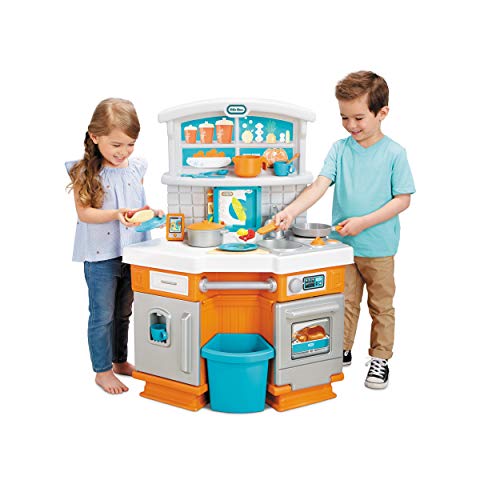
Little Tikes Home Grown Kitchen

  • Best for kids who crave sound-based pretend play (boiling/cooking-style effects).
  • Generally easier to manage than huge wooden builds if you want a simpler, lighter setup.
  • A solid choice when you want interactive play without committing to a heavy, furniture-like kitchen.
Check Price
From Amazon

References

  1. The Best Play Kitchens, Tested & ReviewedMommyhood101
  2. The 10 Best Play Kitchens, Tested by Our Own Tiny ChefsParents
  3. Best Play KitchensBabylist

About this list

Last Updated
Dec 27, 2025
Number of items
8

How we came up with this list

ProductLust's reviewed multiple sources, including Mommyhood101, Parents and Babylist. These sources provide comprehensive reviews and ratings based on build quality, style and size. We identified models like the KidKraft Vintage Wooden Play Kitchen, Melissa & Doug Wooden Chef’s Pretend Play Kitchen and Step2 Fun with Friends Kids Kitchen Playset as the best options in this price range.

Frequently asked questions

The best play kitchen for toddlers is sturdy, stable, and sized for ages 2–4, with simple interactive features like turning knobs, doors that open, and easy-to-grab accessories. For many families, a well-built wooden play kitchen offers the most realistic pretend play, while durable plastic kitchens are easier to wipe down and move.

Most play kitchens are ideal starting around 18 months to 2 years (with larger pieces and close supervision) and stay popular through age 5–6. For younger toddlers, prioritize larger accessories, rounded edges, and fewer tiny parts.

Yes, as long as you choose a toddler-friendly model and follow basic safety checks: stable base (won’t tip easily), no sharp corners, secure hardware, and accessories that are too large to be choking hazards. Always confirm the manufacturer age recommendation and supervise if your child still mouths toys.

A toddler-friendly play kitchen usually sits lower to the ground with controls within easy reach (knobs, sink, microwave). If your child is small for their age, avoid very tall “full-height” kitchens unless the key play features are positioned low.

A wooden play kitchen typically feels sturdier and looks more furniture-like, often with better “real kitchen” aesthetics. A plastic play kitchen is usually lighter, easier to clean, and often includes more built-in sounds or molded details. The best choice depends on whether you want premium look and heft (wood) or easy-clean durability (plastic).

A wooden play kitchen can be worth it if you want a longer-lasting set that feels stable and realistic, especially for daily play. Many families also prefer wood because it blends into a room better than bright plastic sets and often has more usable storage.

Look for: stable base, smooth edges, doors that open/close easily, knobs that click, plenty of pretend storage, and an uncluttered layout that lets kids improvise. Bonus features like ice dispensers or lights are fun, but stability and durability matter more for toddlers.

Not necessary. Some toddlers love sound effects, but many get just as engaged with turning knobs, opening doors, and “serving” pretend food. If you choose lights/sounds, make sure the volume is reasonable and the features don’t require complicated steps that frustrate younger kids.

A basic set should include a few pots/pans, utensils, and play food. For toddlers, larger pieces are better than tiny sets. If the kitchen doesn’t include accessories, start with a small, durable kit rather than a massive bundle that becomes clutter.

If cleanup becomes a daily headache, it’s too many. Toddlers usually play best with a smaller set they can recognize and organize—think 10–25 core pieces rather than 80+ that scatter everywhere.

For small spaces, choose a compact play kitchen with vertical storage (hooks, shelves) and a slimmer footprint. Look for a model that still has the basics—sink + stove—and skip oversized corner kitchens unless you truly have the room.

Choose a layout that allows multi-sided play (open design or wider countertop) so kids can stand next to each other. More important than “two sinks” is having enough space to move around without crowding.

Play kitchens support pretend play, which can encourage language practice (“order up”), sequencing (“first cook, then serve”), and social play (taking turns). They also help toddlers practice simple motor skills like twisting knobs, opening doors, and placing items on shelves.

Prioritize sturdy materials, strong joints/hardware, doors that don’t wobble, and a stable base. Also look for timeless design and a size that your child won’t outgrow quickly—something that works from toddler years into preschool.

Assembly varies widely. Some plastic kitchens are relatively quick, while larger wooden play kitchens can take longer. If you want less hassle, look for models described as “easy assembly” and expect to tighten screws after a few weeks of heavy play.

Place it on a level surface, keep heavier accessories stored low, and avoid climbing habits by setting clear rules. If the model supports wall anchoring, anchoring can add extra peace of mind—especially if you have an active climber.

For toddlers, the “best” material is the one that stays stable and holds up to repeated door-slamming and rough handling. Solid-feeling wood or thick, durable plastic are both good. Avoid flimsy, lightweight sets that wobble when a toddler leans on them.

Plastic kitchens wipe clean with mild soap and water. For wooden kitchens, use a damp cloth and gentle cleaner, avoid soaking, and dry right away. If the kitchen has stickers/decals, be careful with harsh cleaners.

If space allows, yes—those doors add a lot of replay value. Toddlers love opening, closing, and “storing” food. If you’re short on space, prioritize a good stove + sink combo first.

A play kitchen is a strong gift for a toddler if it fits the space and the child enjoys pretend play. Pair it with a small starter accessory set (a few foods and utensils) so it’s fun immediately without overwhelming them.

It can be. A simpler play kitchen with fewer electronic distractions often works well for Montessori-leaning homes because it encourages open-ended pretend play. Keeping accessories minimal and organized helps it feel more “purposeful” and less chaotic.

A toddler kitchen is usually lower, simpler, and designed for younger kids with bigger accessories and fewer small parts. A general play kitchen may be taller and packed with features, better suited to preschoolers.

Put it where you can easily supervise and where pretend play naturally happens—often the family room or near the real kitchen. Leaving a small clear area in front helps toddlers move and play without bumping into furniture.

Use a small bin for food, a cup for utensils, and keep “special” items (like dessert or pizza sets) stored separately. Organization matters because toddlers engage more when they can quickly see and grab what they want.