If you buy through a partner link, we may earn a commission.

Best Microphones for Recording Violin in 2026

Updated on Feb 3, 2026

Finding the best microphone for recording violin comes down to capturing fast transients and natural harmonics without exaggerating harsh upper mids. A strong violin recording microphone should reproduce bow articulation, rosin texture, and body resonance while keeping room reflections and noise under control, which is why polar pattern and placement matter as much as the mic itself. The picks below cover the most reliable approaches for clean, mix ready violin sound whether you are recording classical, folk, or layered pop strings.

Best Overall
1
Neumann KM 184 MT (Small-Diaphragm Condenser)
9.8
ProductLust
Score

Neumann KM 184 MT (Small-Diaphragm Condenser)

  • Captures bow transients with surgical clarity, without turning the top end glassy.
  • Off-axis response stays natural, so small placement changes don’t wreck tone.
  • Low self-noise keeps quiet passages clean and professional.
Check Price
From Amazon
2
Shure SM81-LC (Small-Diaphragm Condenser)
9.6
ProductLust
Score

Shure SM81-LC (Small-Diaphragm Condenser)

  • Flatter voicing records “true” violin tone, not hyped brightness.
  • Handles big crescendos cleanly and doesn’t collapse on aggressive bowing.
  • Extremely consistent results across rooms, instruments, and players.
Check Price
From Amazon
3
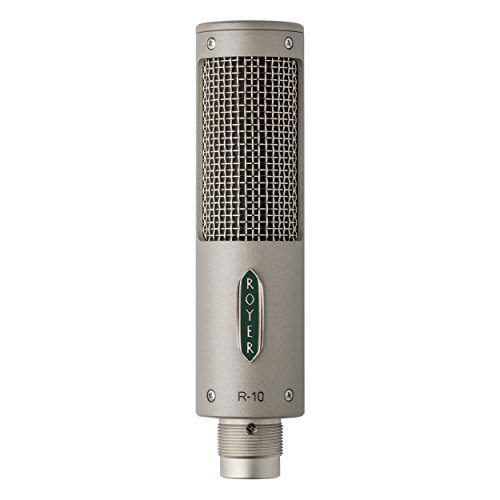
Royer R-10 (Ribbon)
9.5
ProductLust
Score

Royer R-10 (Ribbon)

  • Softer highs than many mics, great for scratchy strings and bright rooms.
  • Side nulls help reject noise, but placement matters more than EQ.
  • Needs clean gain; weak preamps can add hiss on quiet passages.
Check Price
From Amazon
4
sE Electronics sE8 Matched Pair (Small-Diaphragm Condenser)
9.2
ProductLust
Score

sE Electronics sE8 Matched Pair (Small-Diaphragm Condenser)

  • Stereo capture feels wide and lifelike instead of narrow and pointy.
  • Detailed sound without icepick edge, even on brighter violins.
  • Matched pair simplifies phase-coherent placement for repeatable takes.
Check Price
From Amazon
5
Royer R-121 (Ribbon)
8.8
ProductLust
Score

Royer R-121 (Ribbon)

  • Smooths harsh upper-mids fast while keeping rosin texture and articulation.
  • Figure-8 pickup can sound bigger and more realistic when your room is decent.
  • Takes high SPL confidently, so close placement stays composed.
Check Price
From Amazon
6
Audio-Technica ATM350U (Clip-On Condenser)
8.5
ProductLust
Score

Audio-Technica ATM350U (Clip-On Condenser)

  • Locked-in placement gives consistent tone even with player movement.
  • Strong isolation helps when the room is bad or there’s background noise.
  • Fast setup that just works for practice recording and live capture.
Check Price
From Amazon
7
RØDE NT1 Signature Series (Large-Diaphragm Condenser)
8.4
ProductLust
Score

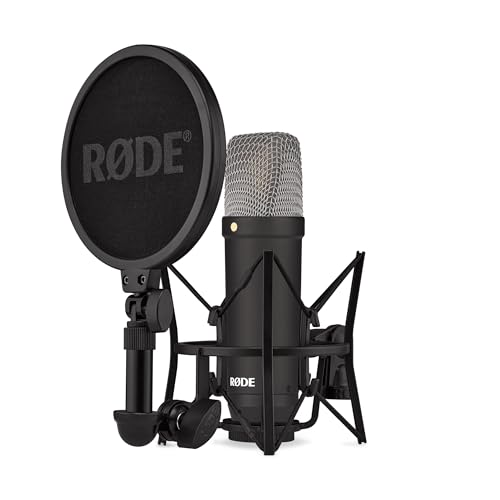
RØDE NT1 Signature Series (Large-Diaphragm Condenser)

  • Very quiet noise floor for intimate, delicate violin recordings.
  • Fuller, more produced tone when you want violin forward in the mix.
  • Useful accessories included, so you can record immediately.
Check Price
From Amazon
Best Value
8
LEWITT LCT 240 PRO (Large-Diaphragm Condenser)
8.2
ProductLust
Score

LEWITT LCT 240 PRO (Large-Diaphragm Condenser)

  • Clear, modern tone that stays present without harshness.
  • Good rejection helps reduce room junk and computer fan noise.
  • Strong first “serious” option for home violin recording chains.
Check Price
From Amazon
Most Popular
9
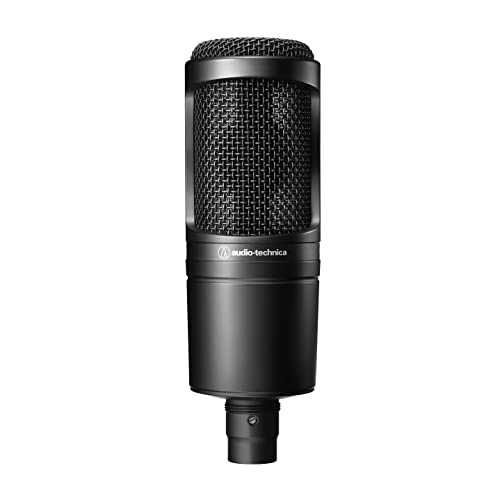
Audio-Technica AT2020 (Large-Diaphragm Condenser)
8.1
ProductLust
Score

Audio-Technica AT2020 (Large-Diaphragm Condenser)

  • Proven starter mic that delivers clean fundamentals and usable detail.
  • Works well in untreated rooms if you control distance and angle.
  • Tons of community presets make it easy to get results quickly.
Check Price
From Amazon

References

  1. How should I mike-up a violin?Sounds on Sound
  2. Miking Tips for Easter: A Practical Guide to the UnusualSweetwater
  3. How to Mic Violin, Viola, and Cello at Home or In the StudioReverb

About this list

Last Updated
Feb 3, 2026
Number of items
9

How we came up with this list

ProductLust's reviewed multiple sources, including Sounds on Sound, Sweetwater and Reverb. These sources provide comprehensive reviews and ratings based on build quality, versatility and effectiveness. We identified models like the Neumann KM 184 MT (Small-Diaphragm Condenser), Shure SM81-LC (Small-Diaphragm Condenser) and Royer R-10 (Ribbon) as the best options in this price range.

Frequently asked questions

For most home studios, a small diaphragm condenser with a cardioid pattern is the safest “best microphone for recording violin” choice because it captures fast bow transients cleanly, keeps tone natural, and offers practical off axis rejection in imperfect rooms. If your room is untreated and bright, a ribbon mic can sound smoother, but it demands cleaner gain and better room control.

Small diaphragm condensers typically win on transient accuracy and consistent off axis response, which helps preserve bow articulation and realistic timbre. Large diaphragm condensers can sound fuller and more produced, but they are more likely to emphasize upper mid bite if placement is too close or too on axis.

Yes, ribbon microphones are often excellent for violin recording when you want to reduce edgy upper mids and get a smoother top end without aggressive EQ. The tradeoffs are that most ribbons are figure 8, so they hear the room from the rear, and they usually need more clean gain or an inline booster to avoid hiss on quiet passages.

Cardioid is the default because it balances isolation and room pickup for most recording violin setups. Figure 8 can be outstanding if you use the side nulls to reject reflections or noise and your room sounds decent behind the mic. Omni can sound very natural but usually requires a good sounding room and careful distance.

A strong starting point is 1 to 3 feet away, aimed slightly off axis toward the bridge and top plate area, not directly into the f holes. Small angle changes matter more than people expect, so move the mic in small increments to balance bow bite, body resonance, and room tone.

Harshness is usually a placement and room problem before it is a microphone problem. Too close and too on axis tends to exaggerate bow noise and upper mid glare, while early reflections from nearby walls can add brittle comb filtering. Back the mic up, rotate off axis, and reduce reflective surfaces near the player.

Start by controlling early reflections with absorption near the player and behind the microphone position, especially at first reflection points. Use rugs, thick curtains, and portable panels, and avoid corners. If you must record in a lively room, use a tighter polar pattern and position the mic to minimize reflective paths.

XY is a reliable stereo method because it reduces phase issues and collapses to mono cleanly. ORTF often feels wider and more natural if your room sounds good. Spaced pair can sound huge but is easiest to mess up with phase and room problems, so treat it like an advanced option.

Condenser microphones require 48V phantom power from your audio interface or preamp. Passive ribbon mics do not require phantom power and many engineers keep it off as a precaution. Active ribbons do require phantom power, so always verify your specific model.

Prioritize low noise preamps with strong equivalent input noise performance, stable 48V phantom power for condensers, and enough clean gain for ribbons. If you record quiet classical dynamics, preamp noise becomes obvious fast. Good monitoring latency and solid driver performance also matter for comfortable playing.

Many ribbon mics need significantly more gain than condensers, especially at moderate distances used for natural violin tone. If your interface gets noisy near the top of its gain range, use a clean inline booster or a higher gain external preamp. This is one of the biggest reasons ribbon results vary wildly between setups.

Self noise is the microphone’s inherent noise floor, usually stated in dBA. Violin often includes quiet passages and long decays, so a noisy mic can mask detail and add hiss when you raise the track in the mix. Lower self noise helps preserve ambience and dynamic nuance.

Usually yes, especially in home environments. A high pass filter reduces rumble, HVAC noise, stand vibration, and low frequency buildup that does not help violin tone. Start gently and adjust so you keep body warmth without letting low end mud dominate.

A clip on mic can be very effective when you need consistent positioning, isolation, or you are recording in a noisy space. The sound is typically more direct and less roomy, which can be a benefit or a limitation depending on the genre. For a more natural studio sound, many players still prefer a stand mounted mic at some distance.

Record at 24 bit for headroom and clean gain staging. Sample rate is less critical than mic placement and room control, but 48 kHz is a solid default for most workflows. Focus on avoiding clipping and keeping noise low rather than chasing extreme sample rates.

Use subtractive EQ first. If the violin is harsh, look for buildup in the upper mids and reduce gently rather than boosting highs. If it sounds boxy, reduce low mids. Avoid heavy top end boosts that turn bow noise into sandpaper, and treat EQ changes as placement feedback.

Avoid heavy compression on the way in unless you are experienced and confident. For mixing, use gentle ratios, slow enough attack to preserve transients, and release that breathes with phrasing. Over compression makes violin sound small and emphasizes noise and scratch.

They over optimize the microphone model and under optimize placement, room, and gain staging. A great violin recording microphone still sounds bad if it is aimed into the wrong spot, too close, or fighting reflections. The fastest upgrade is usually mic position, polar pattern choice, and basic acoustic control.