If you buy through a partner link, we may earn a commission.

Best Heart Rate Monitor Chest Straps in 2026

Updated on Feb 3, 2026

Chest straps are still the gold standard for accurate heart rate capture because the electrodes sit close to the heart and produce a clean R R interval signal for HR and HRV. If you want the best heart rate monitor chest strap for training zones, interval work, and reliable threshold tracking, focus on signal stability, dual wireless protocols (Bluetooth LE and ANT+), water resistance, and strap comfort so the sensor stays locked on during sweat and movement.
Best Overall
1
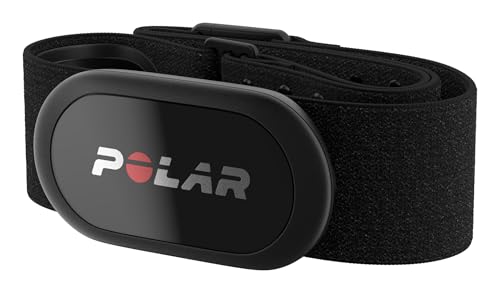
Polar H10 Heart Rate Monitor Chest Strap
9.5
ProductLust
Score

Polar H10 Heart Rate Monitor Chest Strap

  • ECG style sensing delivers consistent beat to beat data for HRV and intervals.
  • Dual Bluetooth plus ANT+ makes pairing painless across watches, bikes, and apps.
  • Proven reliability with huge review volume, fewer dropouts when the strap is snug.
Check Price
From Amazon
2
Garmin HRM 600 Heart Rate Monitor Chest Strap
9.3
ProductLust
Score

Garmin HRM 600 Heart Rate Monitor Chest Strap

  • Built for Garmin training stack with advanced run dynamics style telemetry support.
  • Strong attachment and strap design minimizes motion artifact during sprints and hills.
  • Excellent choice if your primary head unit is Garmin watch or Edge computer.
Check Price
From Amazon
Most Popular
3
Garmin HRM 200 Heart Rate Monitor Chest Strap
9.0
ProductLust
Score

Garmin HRM 200 Heart Rate Monitor Chest Strap

  • Clean, no drama strap that just broadcasts accurate HR and HRV data reliably.
  • Machine washable strap improves long term comfort and hygiene for daily training.
  • Ideal entry Garmin strap when you want accuracy without premium feature creep.
Check Price
From Amazon
Best Value
4
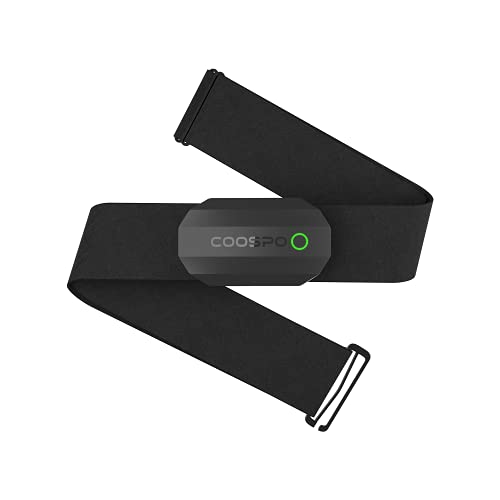
COOSPO H808S Bluetooth Heart Rate Monitor Chest Strap
8.4
ProductLust
Score

COOSPO H808S Bluetooth Heart Rate Monitor Chest Strap

  • Excellent budget strap with ANT+ and Bluetooth LE for broad device compatibility.
  • Strong real time signal once electrodes are dampened properly before sessions.
  • Great pick for Peloton, Zwift, Strava setups where you want accuracy for less.
Check Price
From Amazon
5
COOSPO Heart Rate Monitor Chest Strap (Bluetooth ANT+)
8.2
ProductLust
Score

COOSPO Heart Rate Monitor Chest Strap (Bluetooth ANT+)

  • Reliable dual protocol broadcasting for gym equipment and bike computers.
  • Comfortable strap tension helps reduce cadence locking and random spikes.
  • Solid everyday training strap for steady state rides, runs, and rowing sessions.
Check Price
From Amazon
6
CYCPLUS H2Pro Heart Rate Monitor Chest Strap
7.9
ProductLust
Score

CYCPLUS H2Pro Heart Rate Monitor Chest Strap

  • IPX7 rated build handles heavy sweat and rainy outdoor workouts confidently.
  • Long battery life design reduces maintenance and mid block battery anxiety.
  • Good option if you rotate between cycling apps, trainers, and mixed fitness gear.
Check Price
From Amazon
7
moofit HR8 Heart Rate Monitor Chest Strap
7.7
ProductLust
Score

moofit HR8 Heart Rate Monitor Chest Strap

  • Strong protocol support for indoor training apps and budget bike computers.
  • Adjustable strap range fits more body types without sliding during tempo work.
  • Smart pick for beginners who want chest strap accuracy over optical lag.
Check Price
From Amazon

References

  1. The Best Heart Rate Monitors Give You The Most Accurate Training DataRunner's World
  2. The 9 Best Heart Rate MonitorsWired

About this list

Last Updated
Feb 3, 2026
Number of items
7

How we came up with this list

These sources provide comprehensive reviews and ratings based on durability, comfort and accuracy. We identified models like the Polar H10 Heart Rate Monitor Chest Strap, Garmin HRM 600 Heart Rate Monitor Chest Strap and Garmin HRM 200 Heart Rate Monitor Chest Strap as the best options in this price range.

Frequently asked questions

The best heart rate monitor chest strap uses ECG electrodes with reliable R peak detection to produce stable beat to beat heart rate and clean R R interval timing. That electrical signal is typically the most consistent option for HRV accuracy, hard intervals, and threshold sessions where wrist sensors can lag or spike.

Yes. Chest strap heart rate monitors measure the heart’s electrical activity, while wrist PPG estimates heart rate from blood flow changes and is more sensitive to motion artifact. Accuracy differences show up most during HIIT, sprint repeats, rowing, cycling vibration, cold weather vasoconstriction, and rapid pace changes.

Apple Watch can be excellent for steady state workouts, but a chest strap often delivers tighter real time tracking during intensity swings and heavy arm movement. For fewer spikes, less cadence lock, and cleaner HRV inputs from R R intervals, a chest strap typically wins in high intensity training.

Choose a Bluetooth Smart (Bluetooth LE) chest strap that supports the BLE Heart Rate Service so it pairs as a standard external heart rate sensor. Prioritize stable signal quality, comfortable fit, and strong sweat resistance so Apple Watch receives consistent heart rate data during intervals.

Yes. When you pair a compatible Bluetooth LE strap, Apple Watch can use the external sensor for heart rate in many workout modes. This improves heart rate zone stability for tempo work and intervals when wrist PPG struggles with movement or sweat.

Bluetooth LE is ideal for phones, most gym apps, and Apple Watch pairing via the BLE Heart Rate Service. ANT+ uses the ANT+ heart rate profile and is common for bike computers, indoor trainers, and multi receiver setups, often with strong reliability in cycling ecosystems.

If you use a bike computer regularly, yes. ANT+ heart rate profile support improves compatibility and often makes pairing faster and more stable across Garmin Edge and Wahoo ELEMNT devices. It is also convenient for training rooms where multiple receivers listen simultaneously.

Dual Bluetooth is worth it if you want multi device pairing like a phone app plus a treadmill console, or a watch plus Zwift. It reduces workflow friction and keeps your data consistent across platforms without re pairing mid workout.

The usual causes are poor electrode contact, low conductivity from dry skin, strap looseness, and salt buildup on the strap. Tighten the fit, wet the electrode pads, clean the strap, and place it flat just below the chest muscles to improve signal stability and reduce noise that overwhelms filtering.

It should be snug enough that it does not slide during hard breathing, jump stops, or fast cadence running. Sliding introduces motion artifact and noisy R peak detection, which leads to spikes, dropouts, and inaccurate zone targeting.

Often water is enough, but electrode gel can improve conductivity at the start of a session, especially in dry or cold conditions. Better conductivity supports cleaner R peak detection, fewer early workout dropouts, and steadier beat to beat heart rate.

Cadence lock is when the sensor misreads rhythmic movement as heartbeats and locks onto running or pedaling cadence. Prevent it with a tighter strap fit, better moisture on the electrodes, and consistent placement, plus choosing a higher quality sensor with robust filtering.

Yes, many straps provide R R interval recording that supports HRV accuracy when the signal is clean and minimally smoothed. For HRV metrics like RMSSD, use an app that records raw R R intervals and ensure good electrode contact throughout the measurement.

Sampling rate describes how frequently the sensor samples the ECG signal to detect R peaks and timing. Higher effective sampling and strong detection accuracy reduce timing jitter, improve beat to beat heart rate precision, and produce better interval responsiveness.

Yes. Dry air, synthetic shirts, and treadmill belts can generate static that injects noise into the signal, causing spikes or dropouts. Wetting the strap, using electrode gel, and switching away from highly synthetic layers often improves stability.

Yes. Most Bluetooth LE straps pair easily with Zwift and many Peloton setups as a standard BLE heart rate sensor. If you want the broadest compatibility across trainers, bikes, and apps, a dual protocol strap with both Bluetooth LE and ANT+ is the safest choice.

For running, prioritize comfort, low bounce, and strong anti cadence lock behavior during high turnover. For cycling, prioritize ANT+ support, stable transmission near electronics, and proven Garmin Edge and Wahoo ELEMNT compatibility for reliable training sessions.

Lactate threshold and ventilatory thresholds are physiological markers that define sustainable intensity boundaries and help set heart rate zones like Z2, Z3, and Z4. A high accuracy chest strap makes zone targets more trustworthy for tempo, threshold, and VO2 max workouts.

Yes. More accurate heart rate reduces false spikes that distort training load and improves the quality of recovery related analytics that depend on stable HR trends. Cleaner HRV inputs from R R intervals can also improve readiness signals when used with compatible platforms.

Rechargeable is convenient if you remember to charge it, while CR2032 coin cell designs are popular because swapping batteries is fast and coin cells often last a long time. The best choice is the one you will keep powered reliably, because low battery can increase dropouts and pairing issues.

Yes, especially if you train frequently. A machine washable strap improves hygiene, reduces skin irritation, and preserves conductivity by removing salt and oils. Replaceable straps extend lifespan when elasticity wears out, keeping fit stable for accuracy.

Rinse after workouts, wash the strap regularly per instructions, and wipe sensor contacts to remove salt and residue. Proper maintenance improves electrode contact, reduces signal dropout, and keeps the sensor stable for accurate training zones and HRV tracking.