Best Ergonomic Kneeling Chairs for Sciatica and Back Pain in 2026
Updated on Sep 25, 2026
Finding relief from sciatica and chronic back pain often requires moving away from traditional 90-degree seating that compresses the spine. Ergonomic kneeling chairs solve this by tilting the pelvis forward and redistributing weight to the shins, naturally restoring the spine's healthy lumbar curve. We’ve analyzed the top-rated options to help you find a setup that turns "sitting" into a therapeutic experience for your lower back.
Best Overall
1

9.5
ProductLust
Score
Score
Varier Variable Balans Original
- This iconic Scandinavian design eliminates mechanical parts, relying on high-quality birch to provide a "living" seat.
- The open-angle construction is specifically engineered to stop the "slumping" that triggers sciatic nerve flare-ups.
- It is incredibly lightweight and portable, making it easy to move between your desk and living area.
2

9.2
ProductLust
Score
Score
Dr. Lomilomi Akoni Ergonomic Chair
- Boasts a massive 4-inch high-density foam cushion that prevents the "bottoming out" feeling during long sessions.
- The ultra-wide 22-inch shin pad offers plenty of room to shift your legs without feeling restricted.
- Equipped with premium "rollerblade" style wheels that glide silently over hardwood without leaving scuff marks or scratches.
Most Popular
3

8.7
ProductLust
Score
Score
DRAGONN (by VIVO) Ergonomic Kneeling Chair
- A heavy-duty steel frame supports up to 250 lbs, offering a much sturdier feel than plastic competitors.
- The height-adjustment dial is exceptionally smooth, allowing you to find the perfect angle for your specific desk height.
- Thousands of users swear by this model for its reliability and the immediate relief it provides for tailbone pressure.
4
8.4
ProductLust
Score
Score
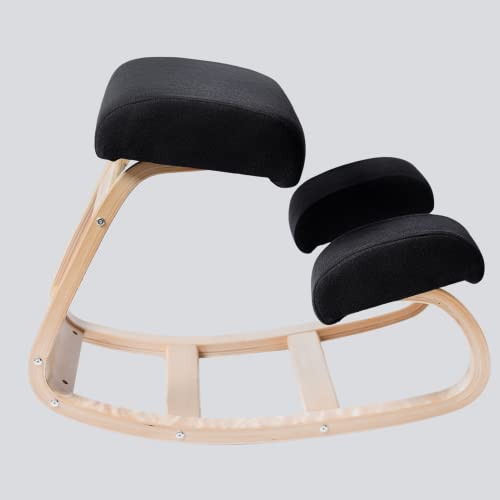
Sleekform Austin Rocking Chair
- Combines the benefits of a kneeling chair with a rocking base to strengthen your core while you work.
- The sleek black wood finish looks more like a piece of high-end furniture than a medical device.
- Thick mesh cushions provide a cooling effect that is far superior to standard faux leather in warm offices.
Best Value
5

8.1
ProductLust
Score
Score
NYPOT Ergonomic Kneeling Chair with Adjustable Seats
- The bent engineered wood frame provides a natural flex that absorbs shock better than rigid steel.
- Includes a heavy-duty load capacity that safely supports up to 250 lbs for sturdier users.
- Designed with a rocking function that encourages micro-movements to keep your spinal discs hydrated.
References
- I Tested 10 Top Rated Ergonomic Kneeling ChairsBeyond the Office Door
- The Best Kneeling Chairs for Your MoneyMoney
About this list
Last Updated
Sep 25, 2026
Number of items
5
How we came up with this list
These sources provide comprehensive reviews and ratings based on comfort, build quality and looks. We identified models like the Varier Variable Balans Original, Dr. Lomilomi Akoni Ergonomic Chair and DRAGONN (by VIVO) Ergonomic Kneeling Chair as the best options in this price range.
Frequently asked questions
Kneeling chairs are highly effective for sciatica relief because they promote an anterior pelvic tilt, which restores the natural lumbar lordosis (inward curve) of the spine. By dropping the knees below the hips, you open the hip-to-torso angle, significantly reducing the intradiscal pressure that typically causes the sciatic nerve to pinch in standard 90-degree office chairs.
Expect a transition period of 7 to 14 days as your body adapts to active sitting. Because these chairs lack a traditional backrest, your erector spinae and core muscles must work harder. We recommend a "phased approach," starting with 20-minute intervals to build postural endurance without over-fatiguing your shins.
When using a chair with high-density foam padding, you should experience no joint pain. The design is intended to distribute 80% of your body weight to the sit-bones (ischial tuberosities) and only 20% to the shins. If you feel pressure in the actual knee joint, it usually indicates the seat height adjustment is incorrect for your leg length.
While safe, the most effective ergonomic strategy for chronic back pain is positional rotation. Using a kneeling chair for 50% of your day and alternating with a standing desk or a traditional task chair prevents static loading, which is the primary cause of muscle stiffness and nerve inflammation in sedentary workers.
Most models are designed for standard 29-inch desk heights. However, because your torso sits more upright, your eye level will be higher than usual. To prevent cervical spine strain (neck pain), you should use a monitor arm to raise your screen so your gaze remains neutral and parallel to the floor.
Neither is "better," but they serve different roles in spinal decompression. Standing desks eliminate sitting pressure entirely but can cause foot and leg fatigue. A kneeling chair provides a middle ground, offering the orthopedic benefits of a standing posture (open hips) while allowing the user to remain seated and focused.
Yes, kneeling chairs are excellent for coccydynia because the forward-sloping seat removes all direct contact with the coccyx (tailbone). By shifting the weight onto the shins and the fleshy part of the sit-bones, the tailbone is allowed to "hover" freely, preventing the sharp pain associated with traditional firm seats.
Most bentwood birch frames are rated for up to 220–250 lbs, while heavy-duty steel frames can often support up to 300–350 lbs. For users at the higher end of the weight spectrum, we recommend steel-framed models with pneumatic lifts to ensure the structural integrity of the angle over long-term use.
The safest method is to straddle the seat from behind, place your hands on the desk for stability, and slowly lower yourself into the kneeling position. Avoid "hopping" into the chair, as sudden impact can compress the very lumbar discs you are trying to protect.
Absolutely. Kneeling chairs are excellent for developing spinal hygiene in students. Since younger users are more flexible, they often adapt to the active sitting posture much faster than adults, helping to prevent the "tech neck" and rounded shoulders common with modern computer usage.